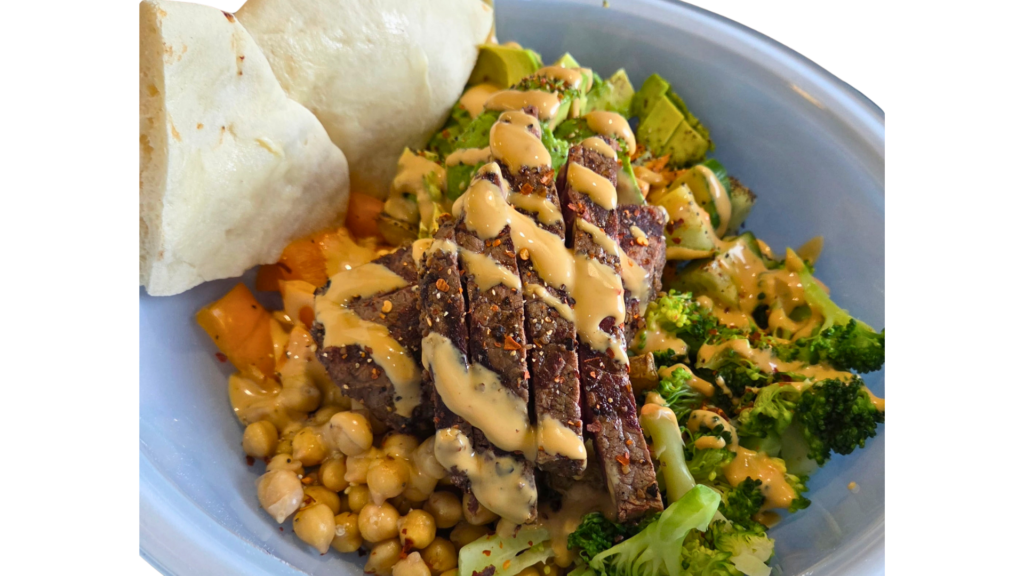
Korean Beef Bowls

This is another quick and easy recipe but it doesn’t disappoint in flavour! My family loves enjoying these bowls on beautiful spring and summer days! Feel free to add in other toppings that meet your preferences.
The Nervous System Lens: Why Stress Changes Everything

Discover how chronic stress affects the nervous system, decision‑making, and focus and why nervous‑system‑informed care helps restore clarity.
Why Self‑Care Feels Hard Now: A Nervous‑System Perspective on Modern Stress

Why Self‑Care Feels Hard Now: A Nervous‑System Perspective on Modern Stress Self‑Care Isn’t a Personal Failure Self‑care is often framed as a personal responsibility problem. If it’s not working, the assumption is that we’re not committed enough, disciplined enough, or doing it “right.” But this framing misses a critical piece: the conditions of modern life have changed. Before assuming there’s something wrong with your habits or motivation, it’s worth looking at the surrounding environment. How Stress Used to Work and How It Works Now Stress used to be short‑term and physical. A clear challenge would arise, the body would respond, and then recovery would follow. Modern stress is different. Today, stress is primarily cognitive and emotional. It’s persistent, layered, and ongoing. Emails don’t end. Responsibilities follow us home. Notifications interrupt moments of rest. Decisions stack on top of one another without clear pause points. This continuous pressure fundamentally changes how the body experiences stress and how it recovers. What Modern Life Does to the Nervous System From a nervous system perspective, recovery is essential. Our bodies are designed to cycle between activation and rest. Modern life, however, often keeps the nervous system in a prolonged state of low‑grade alert. There’s very little built‑in recovery, and rest often feels optional rather than a necessity. When the nervous system stays activated for long periods, energy, focus, motivation, and follow‑through are affected. This isn’t a mindset issue, it’s biology. Your brain and body are responding to sustained demand. Why Traditional Self‑Care Often Doesn’t Land Many self‑care practices were developed for bodies that had more natural rhythm and recovery. When those same practices are applied during periods of chronic stress, they can feel unrealistic, exhausting, or ineffective, not because they’re wrong, but because they don’t match the body’s current needs. This is often why people describe self‑care as feeling heavy or like “just another thing to manage.” For example, morning routines like journaling, meditation, and workouts may have worked when the body wasn’t under constant stress. But during chronic stress, trying to keep up with them can feel draining or discouraging. Not because the practices are wrong, but because the body needs rest and regulation more than structure right now. A Nervous‑System‑Informed View of Self‑Care A nervous‑system‑informed approach reframes self‑care entirely. Instead of optimization, the goal becomes regulation. Instead of effort, the focus shifts to support.Instead of force, we look for fit. Self‑care becomes less about pushing the body toward an ideal and more about responding to what the body actually needs in the moment. Why Fit Matters More Than Doing More When self‑care matches real life, it becomes more accessible and sustainable. Small, supportive actions, especially those that restore a sense of safety, can gradually rebuild capacity. Over time, these moments allow the nervous system to settle, making consistency possible without pressure or willpower battles. This is why effective self‑care today often looks simpler, smaller, and more contextual than what we’re used to seeing. Making Sense of Why Self‑Care Feels Hard Now Understanding why self‑care feels harder now removes blame from the equation. It allows self‑care to become a relationship with your body rather than a benchmark to meet. And in that shift, many people experience immediate relief, not because they’re doing more, but because they’re finally responding to their reality. Self‑care still works. It just works best when it fits the life you’re actually living. Read More Blogs Book a Discovery Call
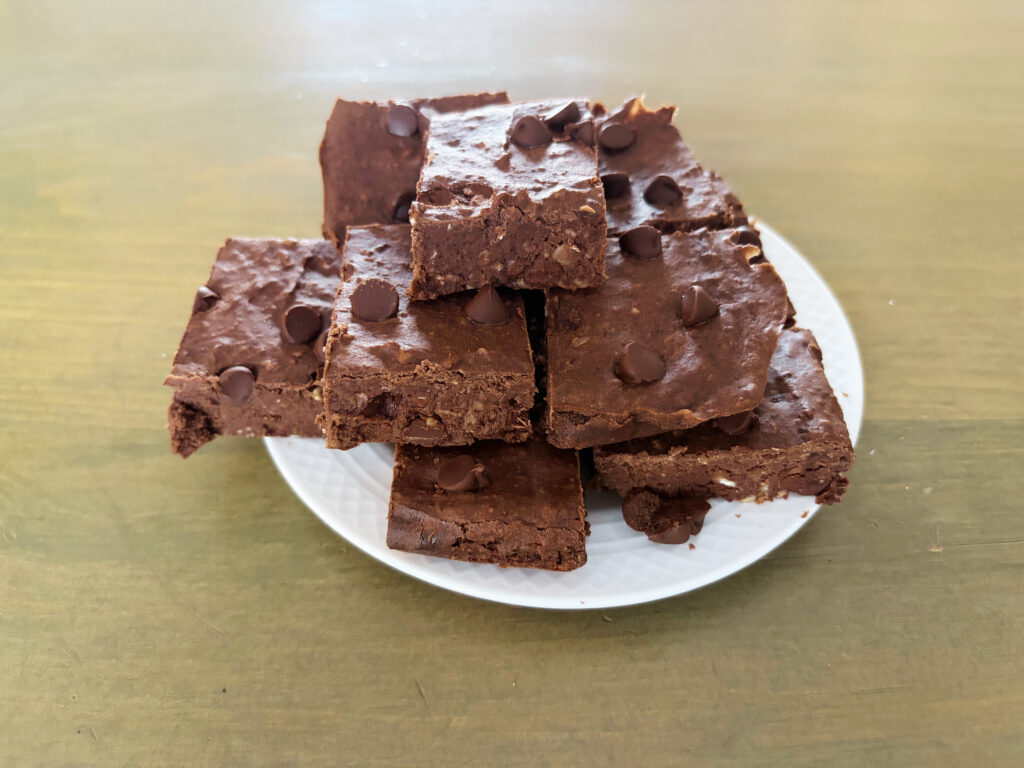
Chocolate Coated Soy Butter Squares

Packing school lunches can start to feel repetitive, especially when you’re trying to find snack options that are both healthy and nut‑free. If you’re running out of ideas that your kids will actually enjoy,
Why Self‑Care Isn’t Working (And What Your Nervous System Actually Needs)

Self‑care used to be built into daily life. Learn why modern self‑care often fails to relieve chronic stress, and how supporting your nervous system can change everything.
Why You Stress Eat (Even When You’re Not Hungry): The Real Reason Women Crave Food Under Pressure

Learn why stress eating happens, how your nervous system drives cravings, and simple resets to calm your body so you can break the stress‑eating cycle naturally.
Are You An Emotional Eater? 5 Questions to Help You Understand Your Relationship with Food

Looking for emotional eating help? Learn why emotional eating happens, how to recognize the signs, and how to move past it without guilt or willpower.
New Year, New Perspective: Making Peace With Food & Your Body in 2026

Start 2026 with a fresh perspective. Learn to move with your body, enjoy food without guilt, and find joy in movement. Embrace self-acceptance and well-being this New Year.
Why Emotionally Eating Happens and Why Willpower Isn’t Isn’t The Problem

If you emotionally eat, you’re not failing. You’re human. Learn why emotional eating happens and how awareness can help you respond with more ease and compassion.
Notice Your Emotional Eating Triggers

Emotional eating is incredibly common. It often shows up in response to real life. A stressful meeting.