
Many women enter perimenopause expecting changes to their menstrual cycle, sleep, or mood. What often comes as a surprise is how dramatically cravings and energy levels can shift. Suddenly, foods that once felt satisfying leave them hungry an hour later. Afternoon fatigue becomes more common, and the desire for sugar seems harder to ignore.
These experiences are frustrating, especially when women feel like they are doing everything “right.” What many do not realize is that hormonal changes can affect how the body regulates blood sugar, making energy highs and lows more noticeable than they were in earlier years.
How Hormones Affect Blood Sugar
Estrogen plays an important role in insulin sensitivity. As estrogen fluctuates during perimenopause, the body’s response to carbohydrates can change as well.
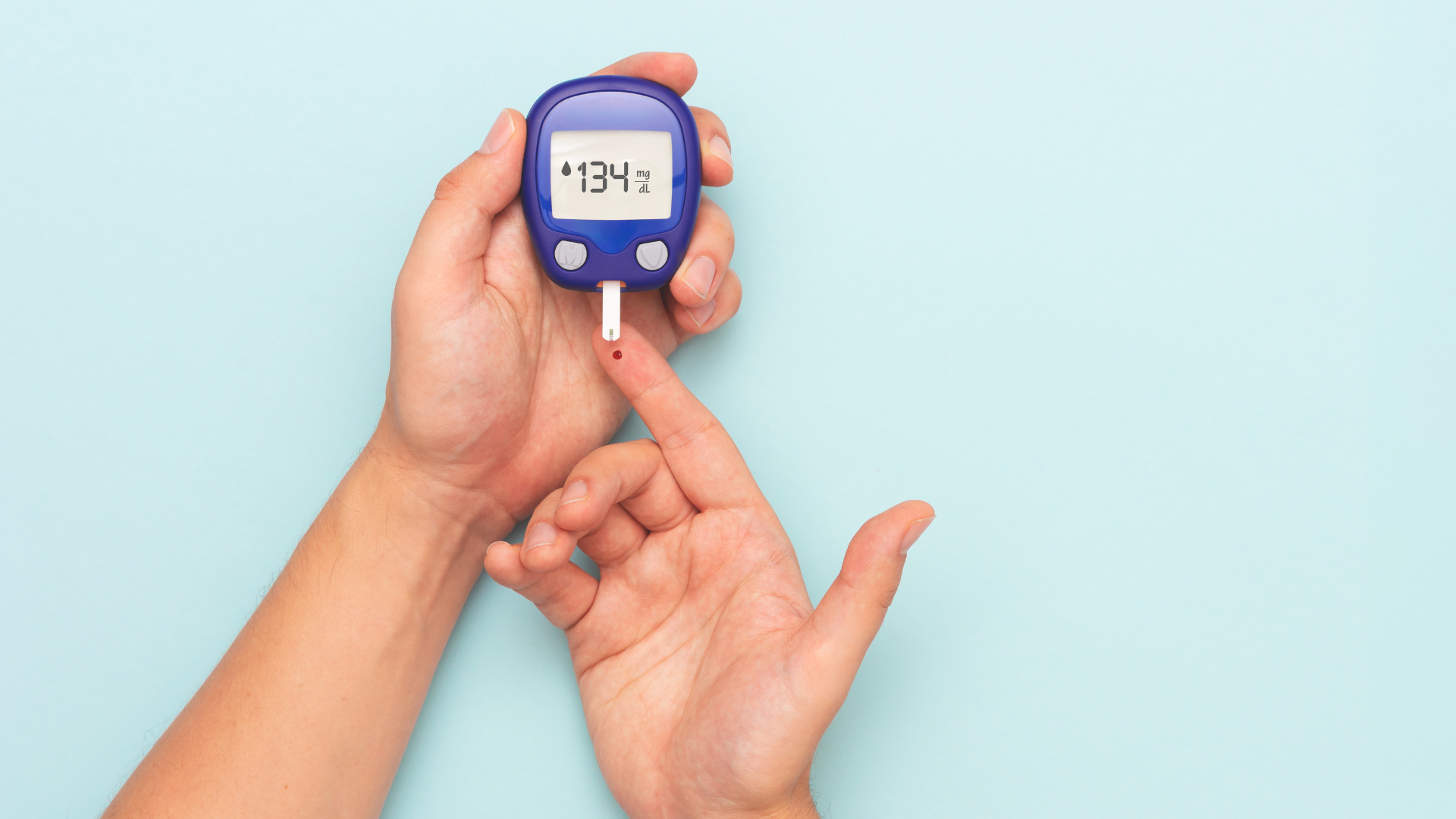
This means blood sugar may rise and fall more dramatically after meals. When blood sugar drops, the brain responds by looking for a quick source of energy. For many women, this shows up as intense cravings for sweets, baked goods, chips, or other highly palatable foods.
Why Cravings Are Not Just About Willpower
Cravings are often viewed as a lack of discipline, but they are frequently a biological response to what is happening inside the body.
When meals are low in protein or fibre, blood sugar can rise quickly and then crash soon afterward. The body interprets this drop as a need for more fuel. As a result, hunger increases, energy decreases, and food becomes difficult to stop thinking about.
The issue is not a lack of self control. The issue is that the body is trying to restore balance.
Signs Your Blood Sugar May Need More Support
Many women are surprised to learn that blood sugar fluctuations do not always show up as obvious hunger. Common signs include afternoon energy crashes, strong sugar cravings, irritability between meals, difficulty concentrating, and constantly thinking about food. These symptoms are often signals that meals may not be providing enough sustained energy.
A Simple Place to Start
One of the most effective ways to support blood sugar is by building meals around protein.
Aim for 30 grams of protein at meals and include fibre rich foods and healthy fats whenever possible. This combination slows digestion, supports satiety, and helps create more stable energy throughout the day.
Supporting blood sugar during perimenopause is not about restriction. It is about nourishment. When women understand how hormones influence appetite and energy, they are better equipped to make choices that support their health, confidence, and overall wellbeing.
Check out this post for high-protein lunch ideas.
Check out this post for high-protein breakfast ideas.
All Rights Reserved © 2026 InSagesse Wellness
Website Built & Search Engine Optimized by noLMIT Marketing